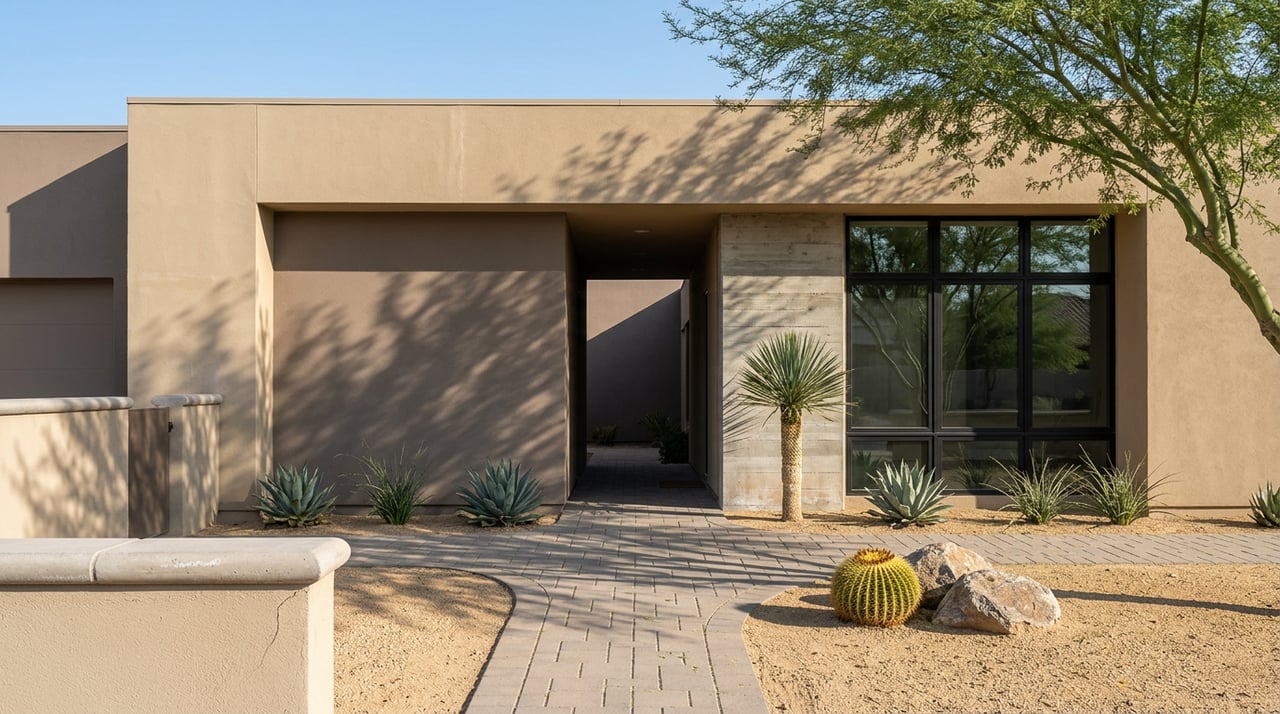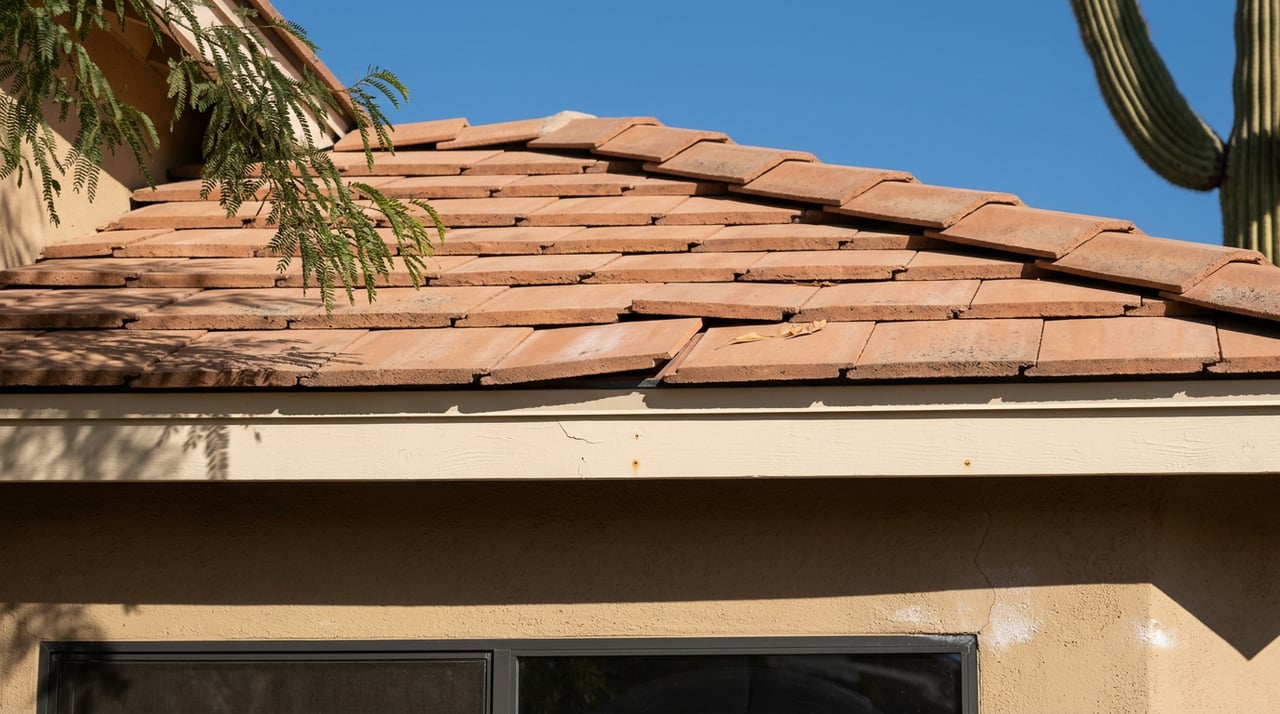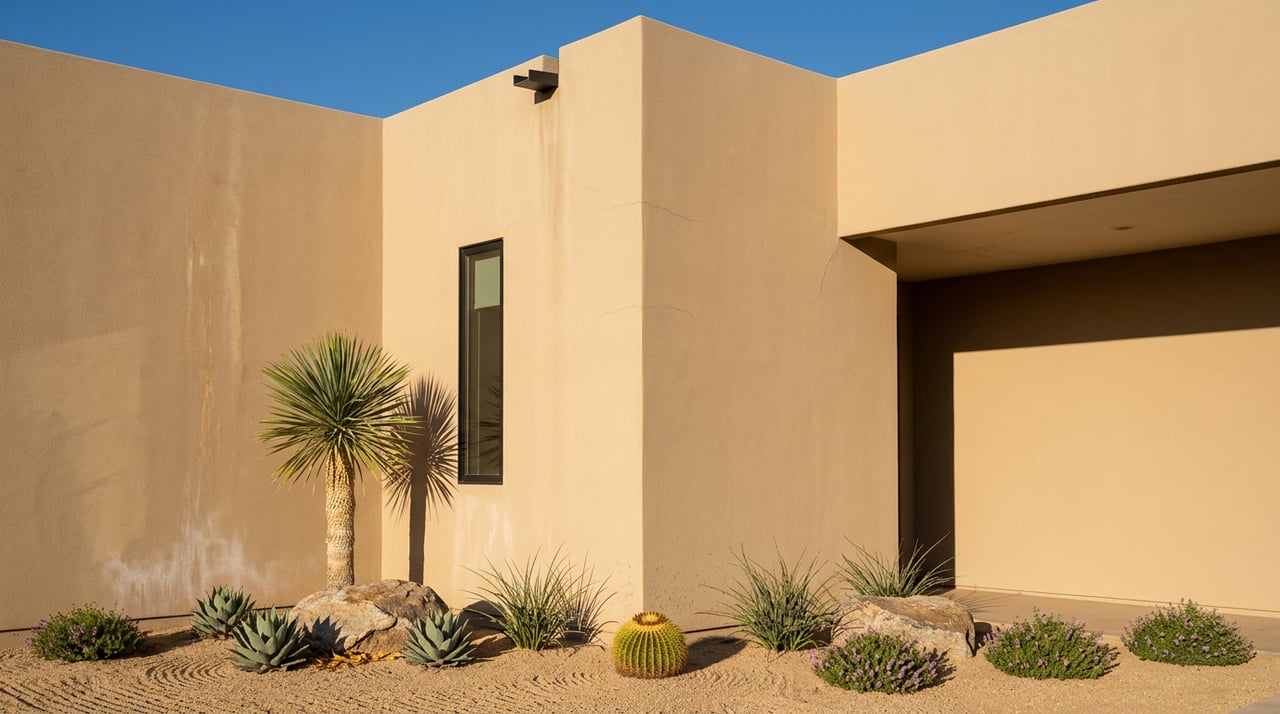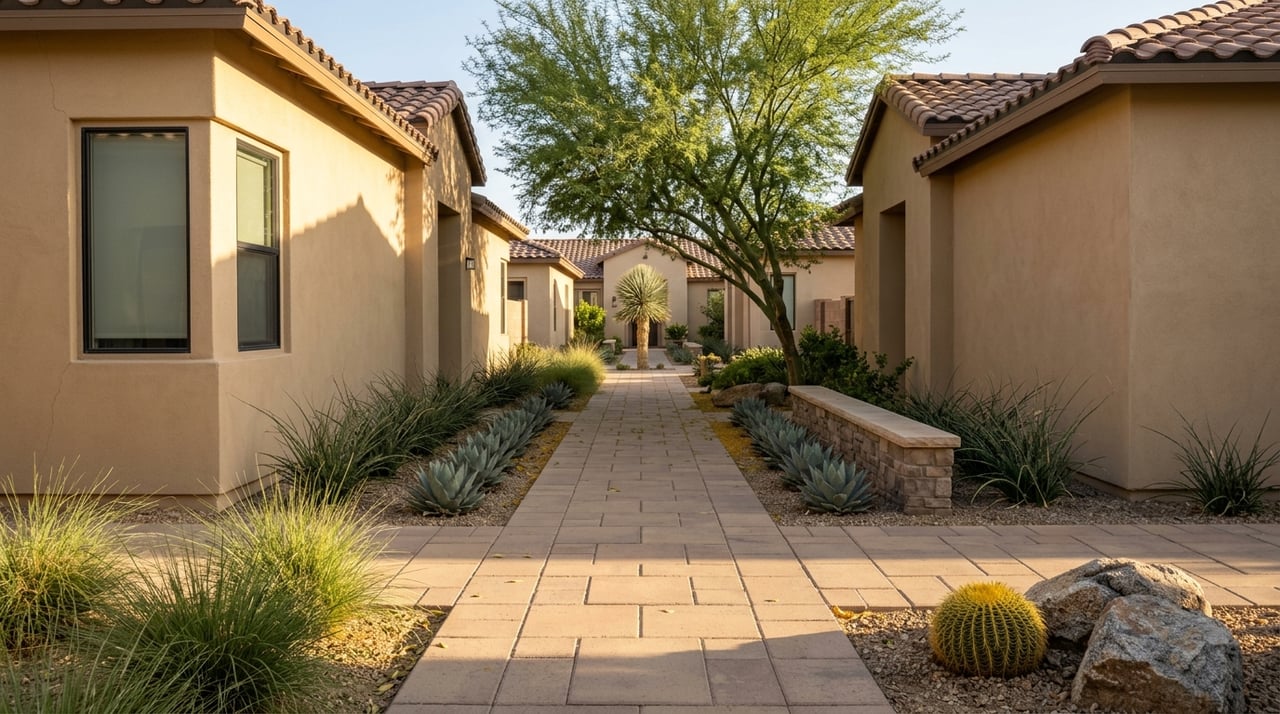
Two listings, same asking price, both in Peoria. One sits in a gated section of Vistancia off the Loop 303. The other is a resale south of Bell Road in a neighborhood built out in the 1990s. Same square footage, same price, same monthly principal and interest on paper.
Then the title company sends over the preliminary closing statement, and the buyer sees a line they weren't expecting: a secondary tax district, adding several hundred dollars a year that never showed up in the mortgage calculator or the builder's glossy handout. By the time most buyers ask what it is, they're already past the inspection period and emotionally committed to the house.
That line is a Community Facilities District, and in Peoria it explains more about what a home actually costs than the sale price does.
What a CFD Is, and Why Peoria Has Several
A Community Facilities District is a special taxing district formed under Arizona's Title 48. A developer petitions the city to create one, the district issues bonds to pay for infrastructure like roads, water lines, and sewer systems, and the debt gets repaid through a secondary property tax levy charged only to homeowners inside the district's boundaries. The City of Peoria's finance department administers several of these, and CFDs show up on the Maricopa County tax bill under the Special District section, separate from the city, county, and school district levies everyone pays.
Peoria has more than one. The Vistancia CFD was formed in October 2002 to cover the original 7,100-acre master plan. The Vistancia West CFD followed in August 2014, and the Vistancia North CFD was established in 2020 alongside a separate district for the Mystic at Lake Pleasant Heights community. This pattern isn't random. CFDs get created for developments large enough to need their own bond-funded infrastructure, which is exactly the profile of Vistancia's five villages, Saddleback Heights at more than 6,000 acres, and Trilogy West at 360 acres, all clustered in the newer growth corridor north of Happy Valley Road. Most of established Peoria, the neighborhoods that filled in one subdivision at a time south of that corridor, never needed a district like this. There was no single master-planned bond issue to repay, so there's nothing on the tax bill beyond the standard levies.
That distinction is the whole story. It's not that new construction is a bad deal. It's that comparing two Peoria homes on price alone skips a cost that only shows up on one side of the comparison.
The Cap That Doesn't Cover This
Arizona's constitution limits primary ad valorem tax on residential property to 1 percent of full cash value. A lot of buyers relocating from higher-tax states hear that number and assume it's the whole story.
A CFD's secondary levy sits entirely outside that 1 percent cap. It's a separate, court-tested category of tax that the constitutional limit was never designed to reach.
The statutory ceiling on a CFD's general obligation bond levy is $3.00 per $100 of limited property value, though that ceiling covers only the bond piece. Districts frequently layer operations and maintenance charges and per-lot assessments on top, which is why published combined rates across Phoenix-metro CFDs for tax year 2025 ranged from roughly 0.30 to 4.61 per $100 of value. When the city set the rate for the Vistancia North and Mystic at Lake Pleasant Heights districts in 2020, it landed at $2.65 per $100 of assessed value, which meant a home valued at $450,000 paid about $668 a year in CFD tax on top of everything else, according to reporting at the time in the Daily Independent. More recent guidance on Arizona property taxes puts the range even wider in 2026, with CFD assessments across metro master plans running anywhere from around $300 to more than $3,000 a year depending on the community and how much bond debt is still outstanding.
Here's the part that catches buyers off guard at the worst possible moment. Builders rarely volunteer this in their sales estimate. A buyer might be told property taxes will run about $3,600 a year, only to open the first actual bill and find it totals $6,000 or more once the CFD line is added in. The Arizona Department of Real Estate requires builders to disclose the district through a Public Report, and buyers sign an acknowledgment that they've been told about the debt obligation. The disclosure exists. It just doesn't always translate into a dollar figure a buyer can compare against a resale listing that has no equivalent line at all.
What the Same-Priced Comparison Actually Looks Like
| Cost line | North Peoria CFD community (Vistancia and similar) | Established Peoria neighborhood |
|---|---|---|
| List price | Same | Same |
| Primary property tax | Same 1 percent constitutional formula applies either way | Same |
| CFD secondary tax | $300 to $3,000+ a year, depending on the district and bond balance | None, there's no district to belong to |
| HOA / master community dues | Often $100 to $250 a month, sometimes with additional quarterly village-level assessments | Often a single HOA, frequently lower, sometimes none at all |
| One-time closing fees tied to the community | Can include disclosure fees, working capital payments, and reserve fund fees running into four figures | Standard closing costs only |
That last row is where the friction gets concrete.
Trilogy's Closing-Day Line Item
Vistancia's own homeowner disclosure documents lay this out in detail, and the numbers are specific enough to plan around. A buyer closing in Northpointe at Vistancia pays a quarterly assessment of $399, which works out to $133 a month, split between the Vistancia North Master Community and the village-level association. On top of that comes a one-time $75 Working Capital Fund payment to the Vistancia Maintenance Corporation, a separate one-time $399 Working Capital Assessment to the master community, and a $400 Disclosure and Lien Estoppel Fee, all due at closing, according to Vistancia's 2024 CFD and governance disclosure.
Buyers in Trilogy at Vistancia, the community's 55-plus section, face a bigger single item. Vistancia's disclosure packet lists a Trilogy Reserve Fund Fee of $3,360, equal to 100 percent of the current annual assessment, payable at close of escrow to the Trilogy at Vistancia Community Association, according to the community's 2023 governance and CFD combined disclosure. That's not a monthly cost. It's a check written at the closing table, on top of the CFD tax that will show up on the county bill every year after.
None of this makes Vistancia a poor choice. The community's five villages, The Village, Blackstone, Trilogy, Northpointe, and FIVE NORTH, sell in the mid $400,000s to low $600,000s in 2026 and carry amenity packages, from Blackstone's private golf course to Trilogy's active-adult clubhouse, that a lot of buyers value enough to pay for. The point is narrower: the sticker price alone doesn't tell you what you're actually paying to live there.
What to Ask Before You Compare Two Listings
- Pull the Maricopa County tax record for the specific parcel and look under the Special District section, not just the total.
- Ask the builder or listing agent, in writing, whether a CFD applies and what the current rate is per $100 of assessed value.
- Request the current HOA budget and reserve study, not just the advertised monthly dues.
- Ask how many years remain on the district's bond debt. CFD assessments typically run for 20 to 30 years before the bonds are retired and the tax disappears.
- If you're buying new construction, read the Arizona Department of Real Estate Public Report before you sign anything. It's the document that legally discloses the district, even if the sales floor doesn't lead with it.
A Few Questions Worth Asking Direct
Is a CFD the same thing as an HOA fee? No. A CFD is a government-level secondary property tax that funds public infrastructure like roads, water, and sewer, and it shows up on your county tax bill. An HOA is a private membership fee that funds private amenities and landscaping, and it's billed separately by the association, not the county. A home can carry both at once, and in places like Vistancia, it usually does.
Does the CFD tax ever go away? Yes. Once the district's bonds are fully repaid, typically over 20 to 30 years, the assessment ends. Older sections of a master plan can eventually carry a lower or retired CFD rate than newer sections still repaying active bonds, which is worth checking parcel by parcel rather than assuming a flat rate across the whole community.
Does every home in north Peoria have a CFD? No. It's specific to the master-planned developments that petitioned for one, including Vistancia's three districts and the separate Mystic at Lake Pleasant Heights district. Established neighborhoods and smaller subdivisions built without a large-scale bond-funded infrastructure plan typically don't carry one at all. The only way to know for a specific address is to check the parcel's tax record directly.
If you're comparing a north Peoria new build against an established resale and the price tag looks like a wash, the CFD and HOA lines are usually where the real difference shows up. Robert Tolnai has spent 15 years working both sides of that comparison across the West Valley, and knows which Peoria communities carry which districts before you're the one signing the disclosure at closing. Call Robert today for a free home market consultation before you compare your next two listings.