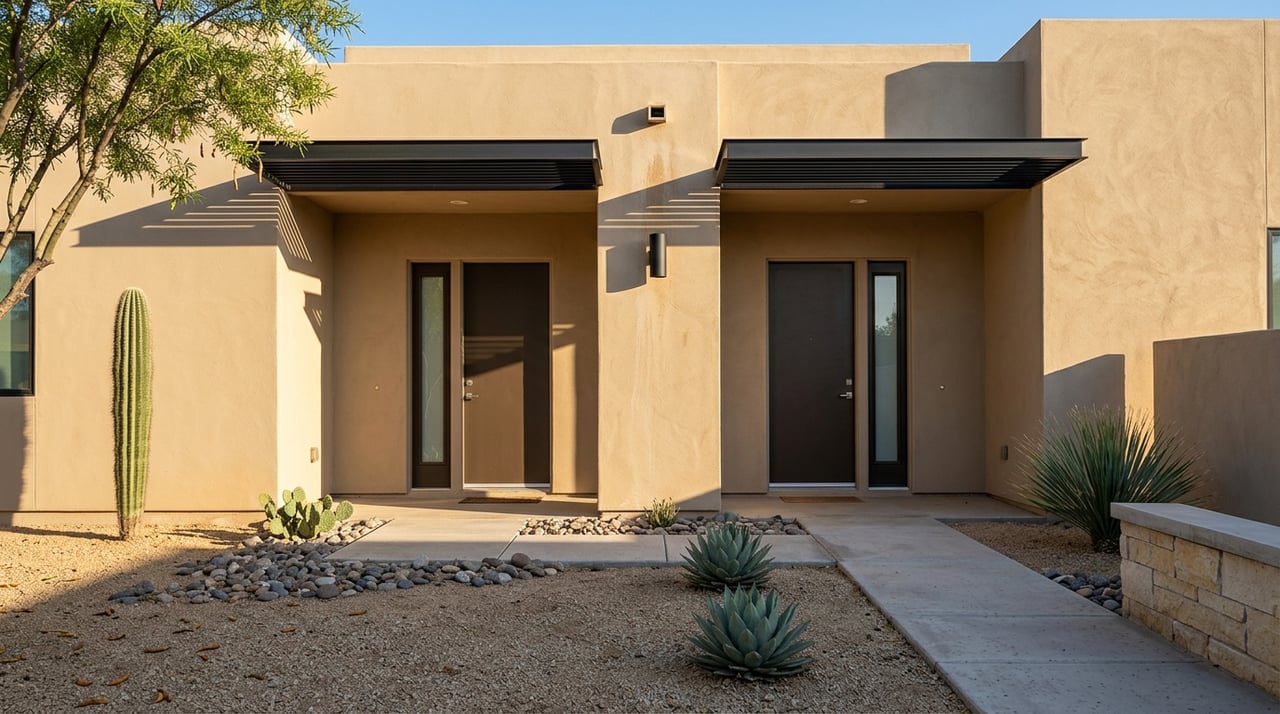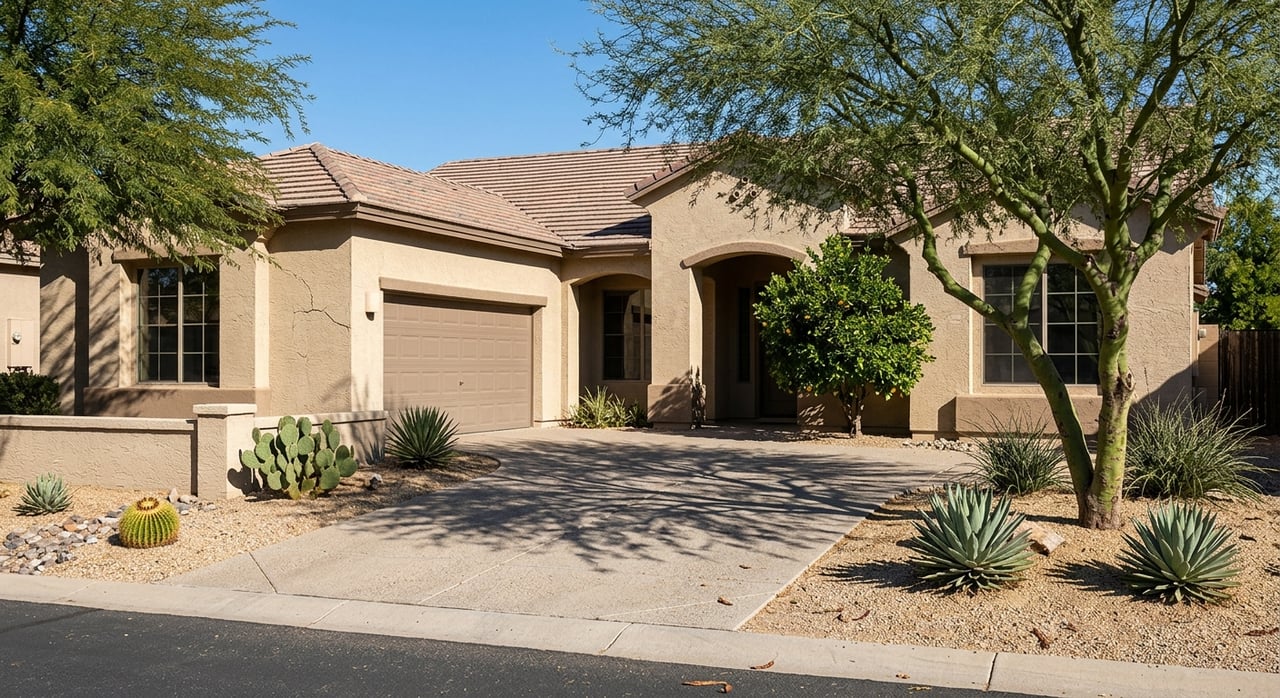
If you are trying to choose between an established Peoria neighborhood and a newer one, you are not just comparing home age. In Peoria, you are often comparing street layout, amenities, HOA structure, and how the whole area was planned. That can feel like a lot to sort through when you want a home that fits your budget and your daily routine. This guide breaks down the real differences, so you can build a smarter short list with more confidence. Let’s dive in.
What “Established” and “Newer” Mean in Peoria
In Peoria, the difference is not simply old versus new. City planning layers show a mix of HOA communities, non-HOA neighborhoods, and land use patterns that include traditional, suburban, urban, rural, estate, and master-planned areas. That means two neighborhoods can feel very different even if they are only a few miles apart.
For you as a buyer, the better question is this: do you want more variety and legacy character, or do you want a more coordinated, master-planned feel? Once you look at Peoria that way, the choice becomes much clearer.
Established Peoria Neighborhoods
Established Peoria neighborhoods often appeal to buyers who want a more traditional street pattern, a wider mix of home styles, and access to long-standing civic and retail areas. These neighborhoods can offer a sense of place that has developed over time instead of being built all at once.
They also tend to vary more from block to block. That can be a plus if you like character and flexibility, but it also means you need to look closely at each home and immediate area.
Old Town Peoria Feel
Old Town Peoria reflects the city’s original small-block layout and traditional grid system. The city describes it as an area with both historic and contemporary architecture, along with a walkable civic center. That gives it a more legacy, urban feel than many of the newer communities farther north.
Public assets in the area include the Peoria Center for the Performing Arts and Washington Park. If you like the idea of being near Peoria’s original civic core and established corridors, this part of the city may stand out to you.
Westbrook Village Variety
Westbrook Village is another strong example of an established Peoria community. It was designed more than 30 years ago as an active-adult and golf community, and today it includes 43 neighborhoods. Home options range from condominiums to larger golf-course properties.
That kind of range shows why established areas can be attractive. You may find more variation in layout, lot pattern, and home style than you would in a newer, more uniform master plan.
What Daily Life Often Feels Like
Established neighborhoods in Peoria usually rely on mature civic and retail nodes instead of one packaged development plan. In practical terms, that can mean access to long-standing services, medical facilities, libraries, parks, and local shopping that developed over time.
For example, Westbrook Village points residents to nearby grocery stores, Banner Boswell Medical Center, Sunrise Mountain Library, pharmacies, and other daily services in northwest Peoria. That setup can feel convenient and familiar if you prefer an area shaped by long-term growth rather than a single large-scale development vision.
Newer Peoria Neighborhoods
Newer Peoria neighborhoods are often tied to master-planned development in the north part of the city. Planning documents for north Peoria describe communities with mixed residential densities, commercial uses, employment areas, and community facilities built into the overall design.
This is why newer neighborhoods in Peoria often feel more coordinated. Parks, trails, shopping, and recreation spaces are frequently part of the same master plan rather than added over time.
Vistancia and Northpointe
Vistancia is one of the clearest examples of newer Peoria development. It is a 7,100-acre master-planned community in north Peoria with five distinct communities, including golf-course, 55+, and other residential options. It opened in 2004 and has sold more than 8,000 homes, which shows that “newer” in Peoria does not always mean brand-new.
Northpointe represents the newest new-home area within Vistancia. It includes multiple builders, such as Beazer Homes, David Weekley Homes, Pulte Homes, and Shea Homes, with a range of home styles and sizes. Amenities include a 5,300-square-foot recreation center, a 10-acre amenity park, preserve access, and hiking and walking paths.
Built-In Amenities
One major draw of newer Peoria communities is the built-in amenity mix. The Village at Vistancia offers two recreation centers, pools, tennis, a playground, a 3.5-mile Discovery Trail, and retail and services within a short drive. Northpointe adds preserve views, walking paths, and community features that are part of the plan from the start.
Planning documents for the area also note that higher-density residential uses are clustered near public parks and linked by trails and open space. For many buyers, that creates a more self-contained and organized day-to-day experience.
What Daily Life Often Feels Like
Newer master-planned neighborhoods usually feel more structured because the homes, parks, trails, and services are designed together. If you want a neighborhood where the layout, amenities, and community features feel intentionally connected, north Peoria may be a better fit.
That does not automatically make it better. It simply means the lifestyle tends to feel more packaged and more HOA-driven than what you may find in older parts of the city.
HOA Differences Matter More Than Many Buyers Expect
One of the biggest practical differences between established and newer Peoria neighborhoods is HOA structure. Arizona law defines a planned community HOA as a nonprofit association created by a recorded declaration, and membership is mandatory for owners in that community. The association can also assess owners for the costs of operating the neighborhood.
Because Peoria includes both HOA and non-HOA areas, you should never assume the rules are the same from one neighborhood to the next. In planned communities, the rules tend to be more visible and more detailed.
What Buyers Should Know About Resale
Under Arizona law, when there is a pending sale in a planned community, the association must provide documents such as the declaration, bylaws, rules, and a dated statement within 10 days after notice of the sale. State law also caps the resale-related disclosure and transfer fee at $400, with limited rush and update fees allowed.
This matters because your true ownership cost is about more than the list price. HOA dues, design restrictions, resale packet requirements, and future maintenance can all affect your budget and your day-to-day flexibility.
Established vs Newer HOA Expectations
Newer master-planned communities often make governing documents and design standards easier to spot because those rules are a bigger part of the development model. Vistancia publishes community documents, and Westbrook Village also posts governing documents and architectural standards.
For you, the takeaway is simple: compare the rules, not just the homes. A lower-priced home in an older area may need more updates, while a newer home in a planned community may come with more ongoing dues or design requirements.
Commute and Access Patterns Are Different
Your daily drive may feel very different depending on where you buy in Peoria. Older and more established areas are shaped by the city’s traditional grid and older corridors. The Old Town plan highlights routes such as Peoria Avenue, Olive Avenue, Cactus Road, Grand Avenue, and 83rd Avenue, along with transit and parking connections in the core.
North Peoria tells a different story. ADOT is improving Loop 303 between Lake Pleasant Parkway and I-17 by adding a lane in each direction, building direct connecting ramps, and accommodating a future 67th Avenue interchange, with construction beginning in January 2026.
What That Means for You
If you want a location tied to the traditional street network and older commercial centers, established central or west Peoria may fit better. If you expect to live around the expanding Loop 303 corridor and prefer a more self-contained neighborhood design, newer north Peoria may feel like the stronger match.
This is one of the biggest reasons neighborhood choice should start with your daily routine, not just the age of the home. The house matters, but so does how the surrounding area works for you every day.
How to Build a Better Peoria Short List
If you are narrowing down neighborhoods, it helps to compare them based on lifestyle and ownership costs instead of using “older” or “newer” as a shortcut. In Peoria, those labels often hide important differences.
A good short list should compare:
- Home style and lot layout
- HOA or non-HOA structure
- Nearby parks, trails, and civic amenities
- Access to shopping, medical services, and daily needs
- Commute corridors and road patterns
- Expected update or maintenance costs
- Design restrictions and monthly dues where applicable
When Established Neighborhoods May Fit Better
Established neighborhoods may be worth a closer look if you want:
- More architectural variety
- A traditional street grid
- Access to Peoria’s original civic core
- Mature retail and service areas
- More block-to-block character
When Newer Neighborhoods May Fit Better
Newer neighborhoods may make more sense if you want:
- Newer construction options
- More coordinated planning
- Recreation centers, trails, and parks built into the community
- A more self-contained amenity mix
- A neighborhood structure with clearer HOA standards
The Bottom Line for Peoria Buyers
In Peoria, established neighborhoods usually mean more variety, more legacy character, and a less uniform feel. Newer neighborhoods usually mean more master planning, more built-in amenities, and a stronger HOA structure. Neither one is automatically the right choice. The best fit depends on how you want to live, what you want to spend, and how much structure you want in the neighborhood around you.
If you want help comparing Peoria neighborhoods in a practical way, that is where local guidance can save you time and stress. Working through the tradeoffs with someone who knows the West Valley can help you spot the difference between a home that looks good online and a neighborhood that truly fits your goals. When you are ready to talk through Peoria options, connect with Robert Tolnai for a local, hands-on approach.
FAQs
What is the difference between established and newer neighborhoods in Peoria?
- Established Peoria neighborhoods usually offer more variety in home style, street pattern, and overall feel, while newer neighborhoods are often part of master-planned communities with more coordinated amenities and HOA structure.
Are all newer Peoria neighborhoods part of an HOA?
- Peoria includes both HOA and non-HOA neighborhoods, so you should check each community directly rather than assume the rules are the same everywhere.
Is Vistancia considered a newer Peoria neighborhood?
- Yes. Vistancia is a newer master-planned community in north Peoria, even though it opened in 2004, because it is still evolving and includes newer sections such as Northpointe.
What should buyers compare besides home price in Peoria neighborhoods?
- You should compare HOA dues, design restrictions, resale packet requirements, commute patterns, nearby services, and the likely cost of updates or maintenance.
Do established Peoria neighborhoods have different commute patterns than newer ones?
- Yes. Established areas are generally tied to the traditional grid and older corridors such as Peoria Avenue, Olive Avenue, Cactus Road, Grand Avenue, and 83rd Avenue, while newer north Peoria communities are more connected to the Loop 303 corridor.
Are established Peoria neighborhoods always older homes only?
- No. Areas such as Old Town Peoria include a mix of historic and contemporary architecture, so established neighborhoods can include a range of home ages and styles.