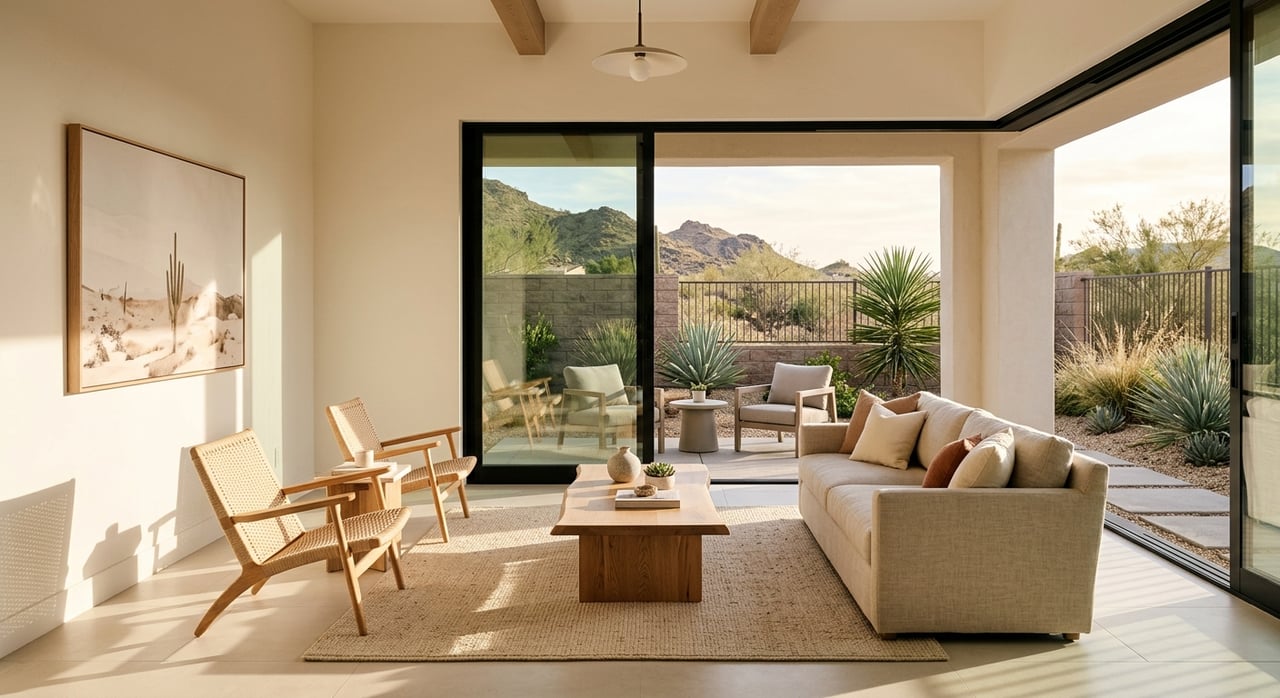
Selling your home can feel like a lot to manage, especially when you are trying to time the market, prep the property, and stay ahead of paperwork. If you are selling in Peoria, local factors like extreme summer heat, monsoon season, and Arizona disclosure rules can shape the process more than many sellers expect. This step-by-step guide will help you understand what to do before listing, how to prepare for inspections, and what to expect at closing so you can move forward with more confidence. Let’s dive in.
Step 1: Prepare your home for Peoria conditions
Before your home goes live, focus on presentation and timing. In Peoria, weather is not a small detail. According to Peoria’s visitor weather information, the city gets more than 300 days of sunshine each year, and average highs reach 104°F in June, 107°F in July, 105°F in August, and 100°F in September.
That means if you plan to list during hotter months, you should think beyond basic curb appeal. Showings are often more comfortable during cooler parts of the day, and buyers may pay close attention to whether the home feels cool and well maintained when they walk in. It also helps to complete exterior touch-ups and listing photos before peak heat and monsoon weather create delays.
Focus on the rooms buyers notice most
Presentation matters because buyers often make fast emotional decisions. The National Association of Realtors 2025 staging snapshot found that 83% of buyers’ agents said staging helped buyers visualize a property as a future home. The living room, primary bedroom, and dining room were the spaces most often staged.
For most Peoria sellers, that supports a simple prep plan:
- Declutter each room
- Deep clean the entire home
- Simplify decor
- Make the living room, primary bedroom, and dining area photograph well
- Make sure the home feels comfortable and cool during showings
Prioritize heat-related details
In a warm-weather market, buyers may notice practical comfort right away. If your air conditioning is not performing well, that can become part of a buyer’s first impression. The same goes for outdoor areas, especially during the hottest months.
A strong selling plan in Peoria often includes finishing exterior projects early, checking that the HVAC system is working properly, and scheduling photos at a time of day that shows the home in its best light. These are simple steps, but they can make your home feel more move-in ready.
Step 2: Gather your paperwork early
One of the smartest things you can do is start collecting documents before your home hits the market. Arizona home sales come with specific disclosure requirements, and waiting until you are under contract can add stress.
The current Arizona REALTORS® residential resale contract requires the Seller’s Property Disclosure Statement, often called the SPDS, along with a written five-year insurance claims history for the property. Getting these ready early can help your sale move more smoothly.
What to collect before listing
Because the SPDS asks about work completed on the property within the prior year, Arizona REALTORS® notes that sellers should gather receipts, permits, contractor names, and warranty information before listing.
A practical checklist includes:
- Repair receipts
- Improvement invoices
- Permit records
- Contractor contact information
- Appliance or system warranties
- Home insurance claims history from the past five years
If you organize these items upfront, you will have an easier time answering buyer questions and completing disclosures accurately.
Know if extra disclosures apply
Some homes require additional paperwork. If your home was built before 1978, federal law requires a lead-based paint disclosure package. That includes disclosing known information about lead-based paint, sharing any available records, giving buyers the EPA pamphlet, and allowing a 10-day opportunity for testing unless the buyer waives it.
If your home is in a planned community or condo, Arizona law requires resale documents such as bylaws, the declaration, and a dated statement of assessments after notice of a pending sale. You can review those requirements in Arizona Revised Statutes §33-1806.
If your property has a pool, the Arizona Department of Health Services residential pool safety notice is also relevant, and buyers are directed to investigate pool barrier rules during the inspection period.
Step 3: List with a clear plan
Once your home is ready and your paperwork is in order, the next step is bringing it to market with a strategy that fits your timeline and goals. This is where pricing guidance, staging support, and strong exposure matter.
A thoughtful listing plan is not just about getting your home online. It is about helping buyers quickly understand the value of the property, making showings easy to navigate, and reducing avoidable surprises once offers come in. In Peoria, where heat and timing can shape buyer traffic, that planning can make a real difference.
Think through showings and timing
If you list during summer, your showing schedule should account for the weather. Buyers may be more comfortable visiting earlier or later in the day, especially when temperatures regularly climb above 100°F. A home that feels cool, bright, and easy to tour can leave a stronger impression.
It also helps to have a plan for cleaning, touch-ups, and daily readiness. The easier your home is to show, the easier it is for interested buyers to act quickly.
Step 4: Be ready for inspections and negotiations
Once you accept an offer, the transaction often moves fast. In the common Arizona REALTORS® resale contract, the buyer’s inspection period is typically 10 days after contract acceptance unless both parties agree otherwise. During that time, buyers can investigate the property and raise concerns through the BINSR, or Buyer’s Inspection Notice and Seller’s Response, as explained by Arizona REALTORS® contract guidance.
This part of the sale can feel intense, but it helps to know what is normal. Buyers may request repairs, a credit, or a price adjustment based on inspection findings. Sellers then have a short window to respond.
What inspection negotiations usually look like
Inspection negotiations are usually focused and practical. This is often not a full restart of the deal. Instead, the parties work through issues identified during the inspection period and decide whether they will be addressed through repairs, credits, price changes, or acceptance as-is.
The key is being organized and responsive. If you already have records for prior repairs, warranties, and maintenance work, you will be in a better position to answer questions and make informed decisions quickly.
Stay calm and keep the goal in mind
It is common for a buyer to ask for something after inspections. That does not automatically mean the deal is in trouble. In many cases, this stage is just a short negotiation to keep the transaction moving.
If you go in expecting a few follow-up requests, you can respond more confidently and avoid making emotional decisions. A clear plan and fast communication matter here.
Step 5: Organize for closing day
As your closing date gets closer, shift your focus from negotiation to final details. According to the Consumer Financial Protection Bureau, the settlement agent handles the legal transfer of title and ownership at closing, the seller signs the deed, funds are distributed, and transfer documents are recorded with the county.
In simple terms, this is when ownership changes hands. Keys, possession, signed documents, and final instructions all come together at this stage.
What to have ready before signing
A smoother closing often comes down to preparation. The Arizona REALTORS® resale contract supports having final records organized, including repair invoices, warranties, HOA contact information, and possession details.
Before closing, make sure you have:
- Final repair invoices
- Warranty documents
- HOA contact details, if applicable
- Utility transition information
- Agreed possession instructions
- Keys, remotes, and access devices ready for transfer
These details help reduce last-minute confusion and make the handoff easier for everyone involved.
A simple selling process works best
Selling your Peoria home does not have to feel overwhelming when you break it into clear steps. Start with smart preparation, stay ahead of disclosures, expect a fast inspection window, and organize early for closing. When you follow a clear process, you give yourself a better chance at a smoother sale and fewer surprises along the way.
If you are thinking about selling and want practical guidance from a local team that knows the West Valley, connect with Robert Tolnai. You will get straightforward advice, hands-on support, and a plan built around your goals.
FAQs
What should you do first when selling a home in Peoria, AZ?
- Start by preparing the home for listing, especially with Peoria’s heat in mind, and gather disclosure documents like the SPDS, insurance claims history, receipts, and warranty paperwork.
How does summer weather affect selling a home in Peoria?
- Peoria’s extreme summer temperatures can affect showing comfort, buyer impressions, and exterior prep, so it helps to schedule showings during cooler hours and finish outside work before peak heat or monsoon weather.
What disclosures are required when selling a home in Arizona?
- In a typical Arizona resale, sellers commonly provide the SPDS and a five-year insurance claims history, and some homes may also require lead-based paint disclosures, HOA resale documents, or pool-related notices.
How long is the inspection period for an Arizona home sale?
- In the standard Arizona REALTORS® resale contract, the buyer’s inspection period is typically 10 days after contract acceptance unless the parties agree to a different timeline.
What happens at closing when you sell your Peoria home?
- At closing, the seller signs final transfer documents, the settlement agent handles the transfer of title and funds, and the property ownership is officially recorded with the county.