Thinking about selling your Peoria home and wondering when you might net the most? Timing can make a real difference here in the West Valley, because buyer activity rises and falls with our weather, winter visitors, and the school calendar. If you want top dollar, the right month, prep plan, and pricing strategy all work together. In this guide, you’ll learn the best listing windows for Peoria, how local patterns affect demand, and a clear month-by-month checklist to get your home market ready. Let’s dive in.
Why timing matters in Peoria
Peoria follows a clear seasonality pattern. Buyer activity typically picks up in late winter and runs strong through spring. Our mild winters and snowbird traffic often push the “spring market” earlier than colder parts of the country, so January through May can be very active.
From June through August, high heat slows casual showings, especially for out-of-area buyers. Families who want to move between school years still shop in late spring and early summer, which creates a smaller second wave. Activity usually dips again around mid-December and early January due to the holidays.
Local factors also play a role. Many Peoria homes have pools and desert landscaping, which shine in professional photos during the cooler months and spring bloom. HOA documents can take time to gather, so planning ahead is key. Regional events and the school calendar can boost or complicate open-house traffic depending on dates.
Best months to list in Peoria
Primary window: late January to May
This is the broadest buyer pool for most homes because winter visitors are in town, relocation activity increases after the holidays, and spring demand is reliably strong.
- Pros: More buyers, shorter days on market, strong relocation and snowbird presence.
- Cons: More competing listings, so pricing, presentation, and marketing must be sharp.
Secondary window: late July to early September
This window can work well if your likely buyer wants to move before or just after the school year begins. Inventory can be lower, which reduces competition, but showings happen in the hottest weather.
- Pros: Fewer competing listings, motivated family buyers.
- Cons: High heat can limit showings, fewer out-of-town buyers.
Months to think twice about
- Mid-June through August: Showings can drop due to heat. Local buyers remain active, but you will want to focus on climate comfort and virtual access.
- Mid-December through early January: Holiday schedules can slow exposure and contract speed, though serious buyers are still out there.
Important exceptions
Unique or high-end homes can perform well year-round if marketing targets the right audience and the property stands out on features and setting. New construction activity nearby may also influence the best timing for your specific price point.
Match timing to your home and buyer
- Family-focused homes: If your property appeals to buyers planning around school schedules, late spring to early summer can align with their move plans. Closing before the first day of school is often a priority.
- Second-home and active-adult appeal: If your home suits winter visitors or retirees, aim for late January through March to capture peak snowbird interest.
- Pool and outdoor living: Pools and shaded patios photograph beautifully in spring and early summer. In summer months, emphasize energy efficiency and cooling systems during showings.
- HOA communities: Start early on HOA resale packets and governing documents. These can take time and are essential for a smooth contract.
Plan backward from your ideal date
Pick your target month, then work backward so your repairs, staging, and documents are ready. Use this practical timeline.
3 to 6 months before listing
- Market assessment: Meet with a local agent for a comparative market analysis and advice on the best listing window for your home type and price range.
- Major repairs and inspections: Consider a pre-listing inspection and schedule roof, HVAC, and pool checkups if applicable. Fix items that affect value or safety first.
- Paperwork and legal items: Request HOA resale documents and gather warranties, utility bills, and repair invoices. These help with disclosures and buyer confidence.
- Budget and timeline: Set a budget for staging, landscaping, and light updates. Get on contractors’ calendars early.
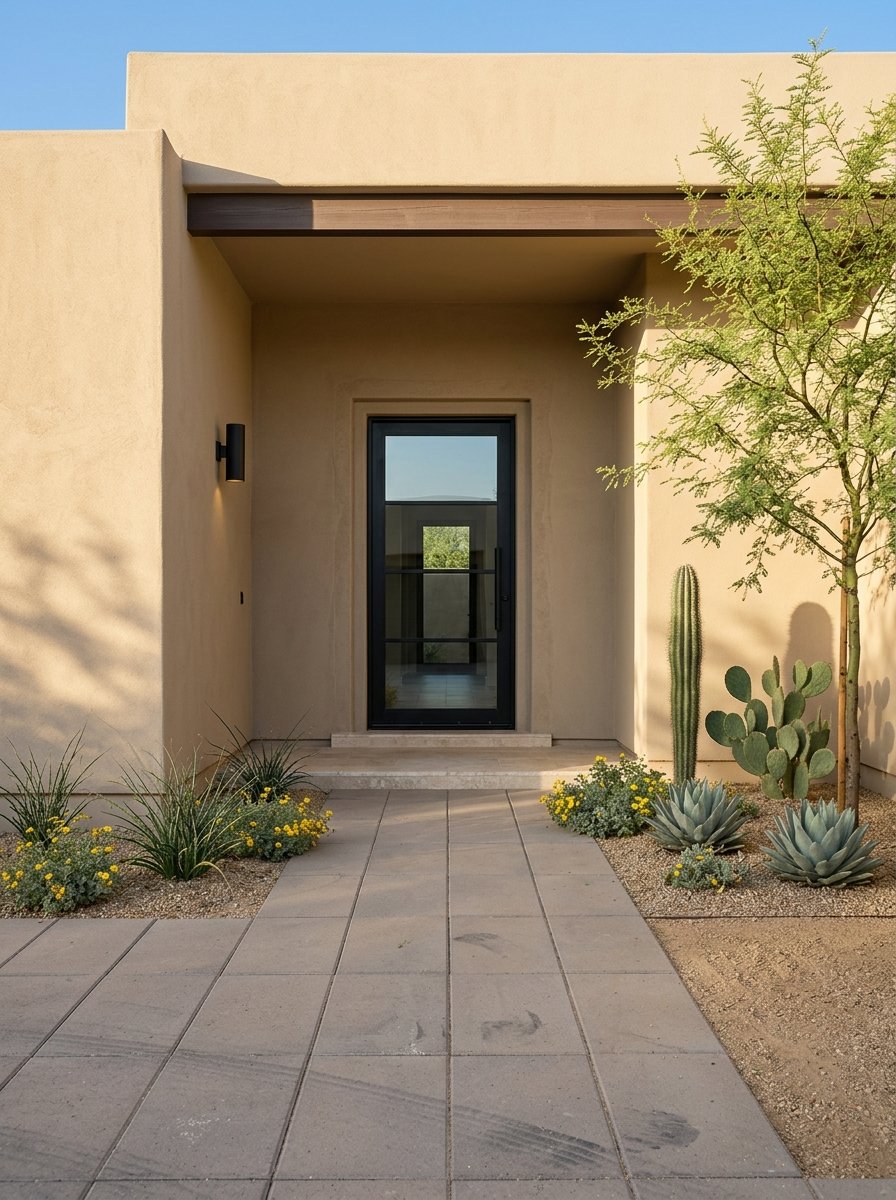
- Curb appeal plan: Refresh desert landscaping, repair irrigation, and plan hardscape cleaning.
- Declutter: Remove extras and simplify spaces. Edit large furniture to open rooms and improve flow.
2 to 3 months before listing
- Repairs and cosmetic updates: Complete key fixes. Focus on high-ROI updates like fresh neutral paint, hardware swaps, and minor kitchen or bath improvements.
- Deep cleaning and systems: Clean carpets and grout. Service HVAC and replace filters. Service pool equipment and clean the pool.
- Staging and photography schedule: Book staging to finish a few days before photos. Schedule professional photography and video, including twilight shots if your outdoor spaces shine after sunset.
- Marketing prep: Create a list of upgrades, utility averages, and neighborhood highlights. Decide if you will include floor plans or virtual tours to reach remote buyers.
4 to 6 weeks before listing
- Finishing touches: Do paint touch-ups, replace bulbs, and unify window treatments. Remove most personal photos.
- Outdoor living: Stage patios and shade structures to showcase year-round desert living.
- Pricing strategy: Recheck comps and set a pricing plan. Decide how and when you will review offers.
- Disclosures and documents: Complete seller disclosures and confirm HOA documents are ready.
- Pest check: Consider a termite or pest inspection and handle any issues proactively.
1 to 2 weeks before listing
- Final staging and photos: Complete staging and media. Pick times that show your home’s best natural light.
- Yard and pool: Do a last curb-appeal sweep and make sure the pool is crystal clear.
- Showing logistics: Set showing hours, blackout times, pet plans, and lockbox access with your agent.
- Closing readiness: Choose a title company and discuss standard contingencies and timelines.
Listing week
- Go live: Launch with great photos, accurate details, and clear highlights that match your target buyer.
- Open house timing: Avoid large local events that complicate access unless those events bring your ideal buyers to the area.
- Monitor and adjust: Track feedback and showings. Be ready to adjust pricing or marketing if activity is slow in the first two weeks.
- Show-ready routine: Keep the home clean, well lit, and comfortable for short-notice showings.
After you accept an offer
- Keep momentum: Coordinate inspections and the appraisal quickly. Address agreed repairs on time.
- Occupancy planning: If you need extra time after closing, discuss options early and make sure they are reflected in the contract.
Seasonal presentation tips
- Winter, November to March: Highlight covered patios, outdoor heaters, and pool maintenance. Capture the attention of winter visitors with clear, welcoming photos.
- Spring, March to May: Refresh landscaping with seasonal color and clean outdoor living spaces. This is the widest buyer pool, so make your home pop.
- Summer, June to August: Keep the interior cool and inviting. Showcase energy-efficient upgrades and shade. Consider virtual tours for out-of-town buyers.
- Fall, September to October: Leverage potentially lower competition. Aim to list and go under contract before the holiday slowdown.
Smart scheduling for showings and open houses
Check community calendars for major events that could affect access or parking. City festivals, regional sports games, and large gatherings can either boost exposure or make showings harder to coordinate. Plan photography and open houses around these dates if possible.
Keep an eye on the school calendar too. Local districts commonly start classes in late July or early August. If your likely buyer is planning around the school year, aligning your closing date with that timing can be a selling point.
If you live in an HOA, look at HOA meeting cycles and document lead times. Request what you need early so paperwork does not delay your launch.
What if you need to sell now?
You can sell in any month with the right strategy. If you are outside the primary window, lean on presentation, pricing, and exposure.
- Price with precision: Start at a number that invites showings and shows value in the first two weeks.
- Elevate marketing: Use high-quality media and clear highlights that match your likely buyer.
- Maximize comfort: Keep the home at a pleasant temperature, especially in summer. Make showings easy.
- Offer access: Consider virtual tours and flexible showing windows to reach out-of-area shoppers.
Next steps
If you are considering a sale in the next 3 to 6 months, your best move is to pick a target month and build your prep plan now. A quick consultation can confirm your ideal window and the updates that matter most for your price range and neighborhood. We are happy to help you stage, price, and time your listing for the strongest result.
Ready to talk strategy for your home in Peoria or the West Valley? Connect with Robert Tolnai for a free market consultation and a custom timeline.
FAQs
Is January a good month to list in Peoria?
- Yes. Late January through March often brings strong interest due to winter visitors and buyers returning after the holidays.
Will summer heat in Peoria hurt my home sale?
- Summer can reduce casual showings, but local buyers still shop. Keep the home cool, highlight energy efficiency, and offer flexible showings and virtual options.
Should I time my sale around the school year in Peoria?
- If your likely buyer is a family, listing in late spring through early summer helps them close and move before school starts, which can increase urgency.
How much time should I budget to prepare my home?
- Plan 2 to 3 months for repairs and updates, plus 3 to 6 weeks for final staging and media. Start earlier if you need HOA documents or permits.
Do local events in the West Valley affect showings?
- Yes. Big events can boost exposure or create access challenges. Check community calendars and schedule open houses when visitors can easily reach your home.